
Microsoft expands Project Perception. Who controls the AI agent?
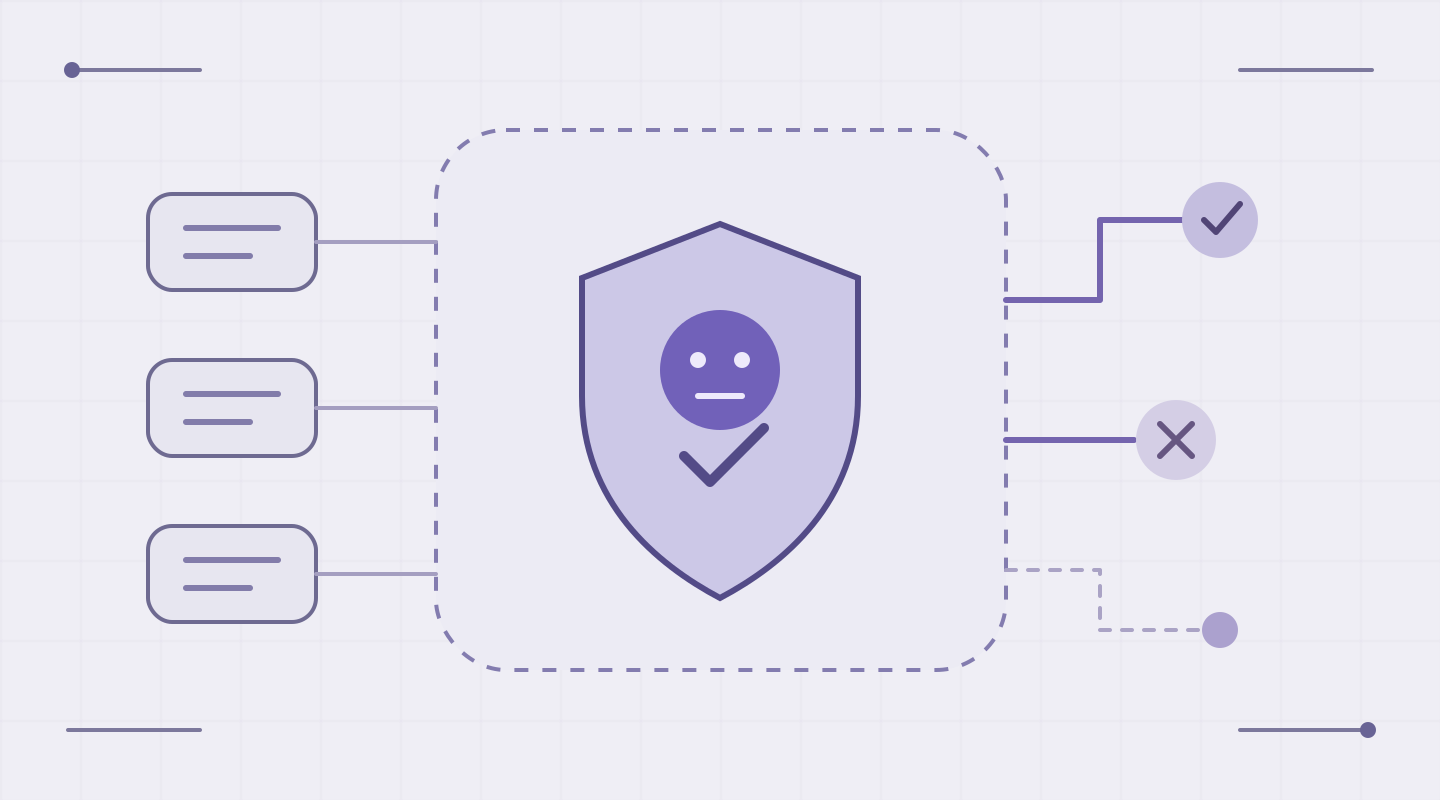
Microsoft puts enterprise agents inside its security perimeter. The harder question is whether a company can prove what each agent is allowed to do.
AI moves fast. We slow down just enough to see what matters. 14 original, source-based analyses through the Cortist Lens.
Microsoft puts enterprise agents inside its security perimeter. The harder question is whether a company can prove what each agent is allowed to do.
We follow the evidence after publication. Each watchfile records the original claim, the questions that matter, and what could change our assessment.
Promising benchmarks; business impact unverified
Technical demonstration; economic case unproven
Access announced; independence must be demonstrated
New milestones appear only after editorial source review. Open your Living Cases ↗
Microsoft puts enterprise agents inside its security perimeter. The harder question is whether a company can prove what each agent is allowed to do.
Modal reports higher sandbox throughput with NVIDIA Vera. The result raises a practical question: how much agent time is spent waiting for ordinary compute?
Google brings an editable planning moment into content generation. The opportunity is better direction; the responsibility to check the final story remains.
Amazon promises an easier path from PyTorch to Trainium. The real test is whether portable code becomes portable, cost-effective production.
A proposed 5% equity commitment sounds substantial. What matters next is who controls the money, how it is spent, and what gets disclosed.
New Windows laptops aim to make local models and personal agents practical. The deeper question is whether on-device AI becomes a daily habit.
New models span servers and local devices. For builders, deployability is starting to matter as much as raw benchmark scores.
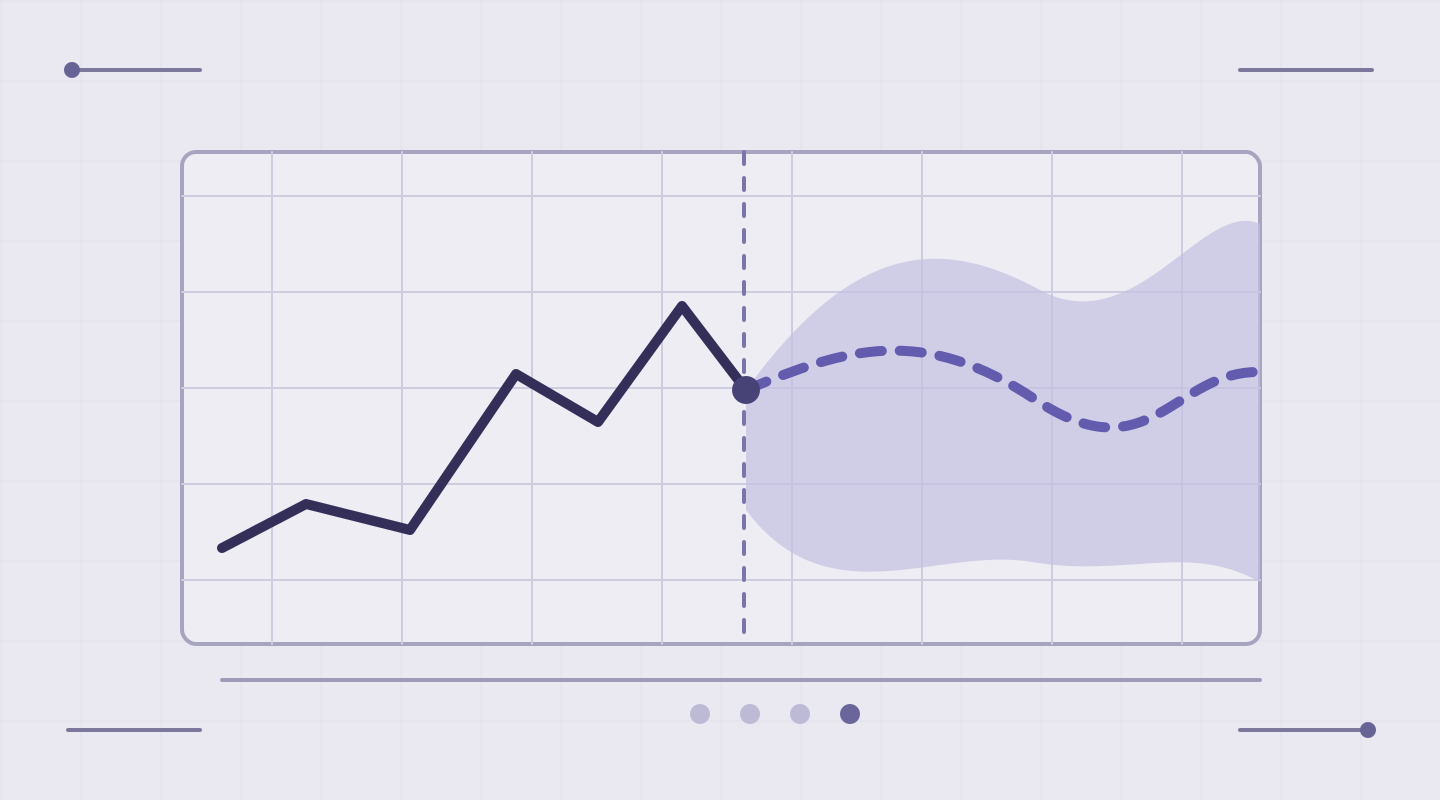
A new family of time-series models targets demand, sensors and operations—not conversation. It is a reminder that AI's next wave may be less visible.
Distributed MLX inference makes a striking local demonstration. The next question is whether it makes economic sense beyond the lab.
Six METR staff are getting unusually deep access. The experiment could make frontier-model scrutiny more meaningful—if independence holds.
Google is pitching its new model for complex coding and organizational tasks. The useful measure is not a demo—it is completed work without rescue.
OpenAI is moving from fixed chat replies to interactive responses assembled for the task. It changes how people might encounter software.
Anthropic advertises a major reduction in average task cost. Builders should compare accepted outcomes, not just token price.
A trillion-parameter preview raises the stakes for European AI. As of October 19, the weight release is still a promise, not a completed event.
Try a different term or category.
We separate documented announcements from company claims and our interpretation. Every story links to its original source and shows what remains uncertain.
Why Cortist exists ↗